

- Présentation
- PRODUITS
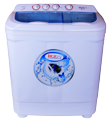 Machine à laver
 Ventilateur
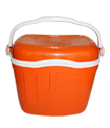 Glacière
 Chauffage
 Four éléctrique
- Nouveautés
- Qualité
- Actualités
- Contact
Comprehensive Guidance on Russia Sanctions Compliance and Strategies

Comprehensive Guidance on Russia Sanctions: Compliance and Strategies
As international tensions continue to evolve, understanding the intricate web of sanctions imposed on Russia is crucial for businesses operating within or in relation to Russian markets. This article aims to provide comprehensive guidance on Russia sanctions, enabling organizations to navigate the compliance landscape effectively.
1. Introduction to Sanctions on Russia
Sanctions are political tools used by countries or international bodies to exert pressure and influence over the actions of a state. In the case of Russia, a series of sanctions have been imposed by various nations, primarily in response to its actions in Ukraine, cyber activities, and alleged human rights violations. Understanding these sanctions is vital for any entity that engages in trade, investment, or services related to Russia.

2. Types of Sanctions Imposed on Russia
The sanctions against Russia can be broadly classified into several categories:
- Economic Sanctions: These involve restrictions on financial transactions, including prohibitions on specific banks, sectors, and state-owned enterprises.
- Trade Sanctions: These impose restrictions on the import and export of goods, services, and technologies, targeting key sectors like energy and defense.
- Travel Restrictions: Certain individuals associated with the Russian government or specific organizations are banned from entering sanction-imposing countries.
- Sectoral Sanctions: These are aimed at specific sectors of the economy, such as finance, energy, and military, and can involve limits on access to capital and technology.
3. Key Regulatory Bodies and Their Roles
Understanding the various regulatory bodies that enforce these sanctions is critical for compliance:
- U.S. Department of the Treasury’s Office of Foreign Assets Control (OFAC): This office administers and enforces economic and trade sanctions against targeted foreign countries and regimes.
- European Union (EU): The EU imposes various sanctions, which may differ from those of the U.S. and require careful review for compliance.
- United Nations (UN): The UN may impose sanctions in response to international security threats, which can include measures against Russia.
4. Compliance Challenges
Compliance with sanctions can be fraught with challenges. Here are some common issues faced by businesses:
- Complexity of Regulations: The intricate legal language and varied regulations from multiple jurisdictions can create confusion.
- Determining Ownership and Control: Understanding who owns whom—especially in multi-layered corporate structures—can be daunting.
- Potential for Secondary Sanctions: These can affect non-U.S. entities engaging with sanctioned Russian companies, creating a chilling effect on international trade.
- Continual Updates: Sanction lists are frequently updated, making it essential for companies to stay informed of changes that could impact their operations.
5. Legal Advice and Best Practices
To navigate the complexities of Russian sanctions, businesses should consider the following best practices:
- Engage Legal Experts: Enlisting the help of firms specializing in international trade law can provide invaluable insights and help mitigate legal risks.
- Regular Training for Employees: Companies should provide training to ensure that employees understand the importance of compliance and the necessary procedures.
- Implement Robust Compliance Programs: Establish internal controls and compliance programs that detect, prevent, and respond to potential violations.
- Conduct due diligence: Perform thorough due diligence on potential partners, customers, and suppliers to ensure they are not on sanction lists.
6. Conclusion
In conclusion, navigating the landscape of sanctions against Russia requires a comprehensive understanding of the legal and compliance challenges involved. By staying informed and implementing the recommended best practices, businesses can better manage risks associated with these sanctions. The world of international trade is becoming increasingly complex, and proactive measures are essential to ensure compliance and long-term success.
7. Additional Resources
For those seeking further information on sanctions and compliance, various resources are available from government websites and legal advisory firms, making it easier for businesses to stay compliant and informed.